Chimneys
Specialist Industrial Chimney Inspection, Maintenance & Repair
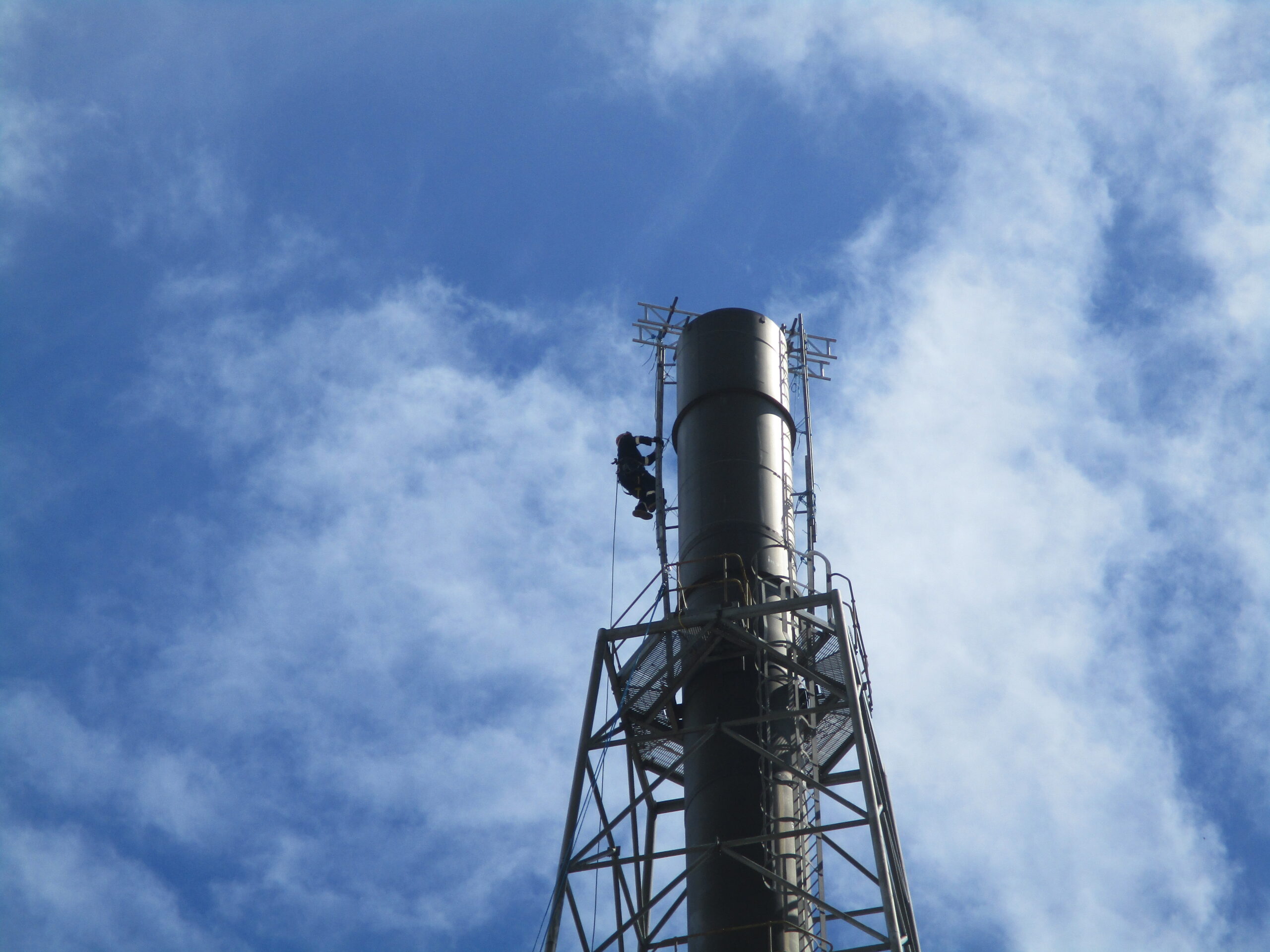
Industrial chimneys are critical assets that require regular inspection and maintenance to ensure structural integrity, operational efficiency, and regulatory compliance. Absass Limited specialises in working at height and in difficult access environments, allowing us to safely inspect, maintain, and repair chimney structures without the need for extensive scaffolding.
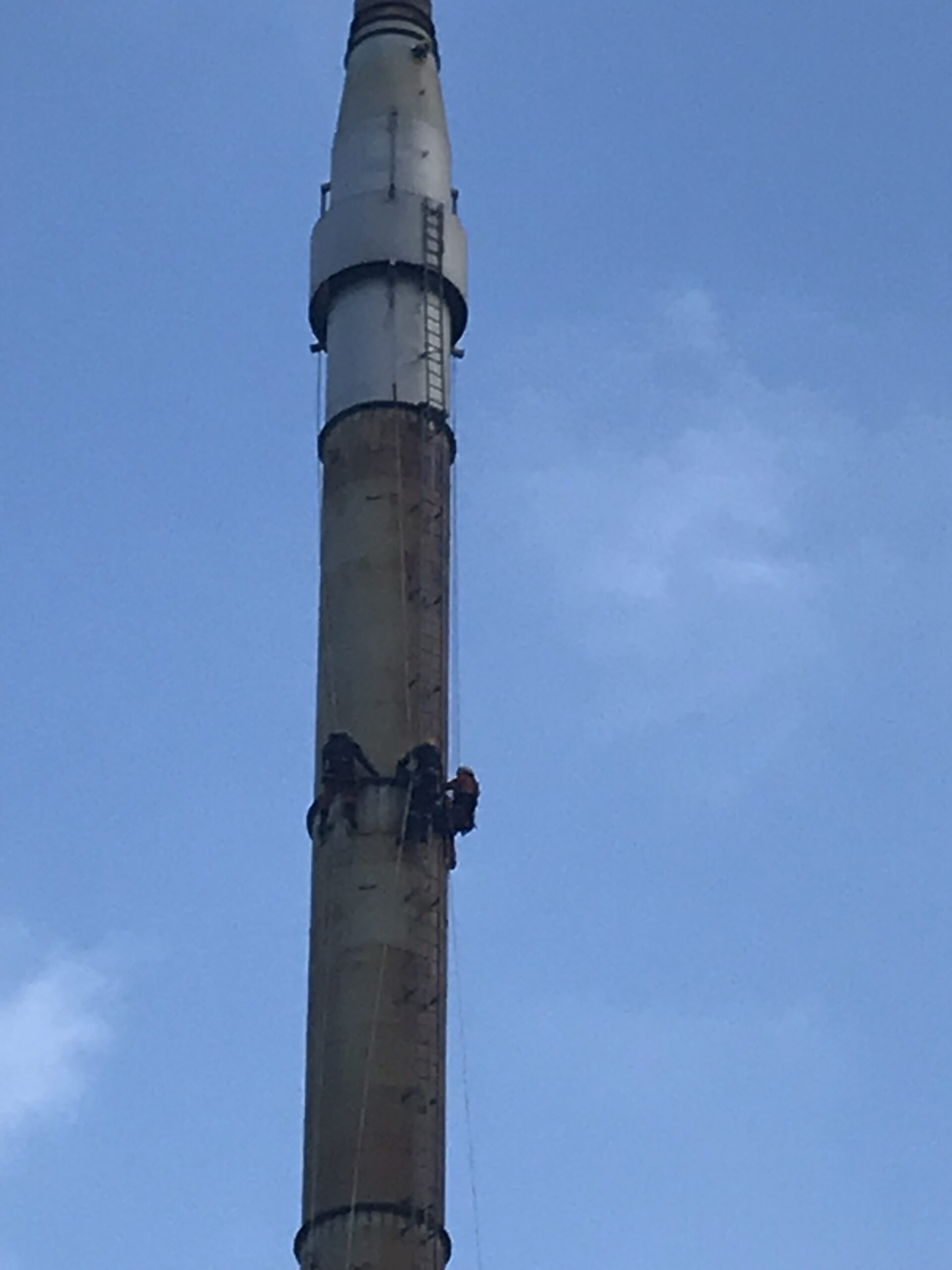
All chimney works are completed by fully trained multidisciplined CSCS certified steeplejacks and IRATA rope access technicians.
Chimney Inspections
Comprehensive visual and structural chimney inspections using rope access and traditional steeplejack techniques.We provide detailed condition reports, photographic evidence, and clear recommendations to support maintenance planning and compliance.
Chimney Repairs
Professional repair services including brickwork repairs, repointing, concrete repairs, structural strengthening, liner repairs, and protective coatings. All repairs are carried out in accordance with industry best practice.
Chimney Maintenance
Planned and reactive maintenance services designed to extend the service life of chimney structures. Regular maintenance helps identify defects early, reducing long-term costs and unplanned downtime.
Chimney Demolition
Safe, controlled chimney demolition services using sectional dismantling and rope access techniques. This approach minimises ground disturbance and is ideal for live or restricted sites.
Lightning Protection for Chimneys
Design, installation, testing, and maintenance of lightning protection systems to BS EN 62305 standards, ensuring chimney structures remain protected and compliant.
Specialist Access Chimney Solutions
Our bespoke access methods provide highly effective solutions for chimney inspection and repair, particularly where access is limited or traditional methods are impractical.
Benefits include:
Reduced project costs compared to scaffolding
Minimal disruption to operational sites
Rapid mobilisation and completion
Improved safety through controlled access systems
Reduced environmental impact